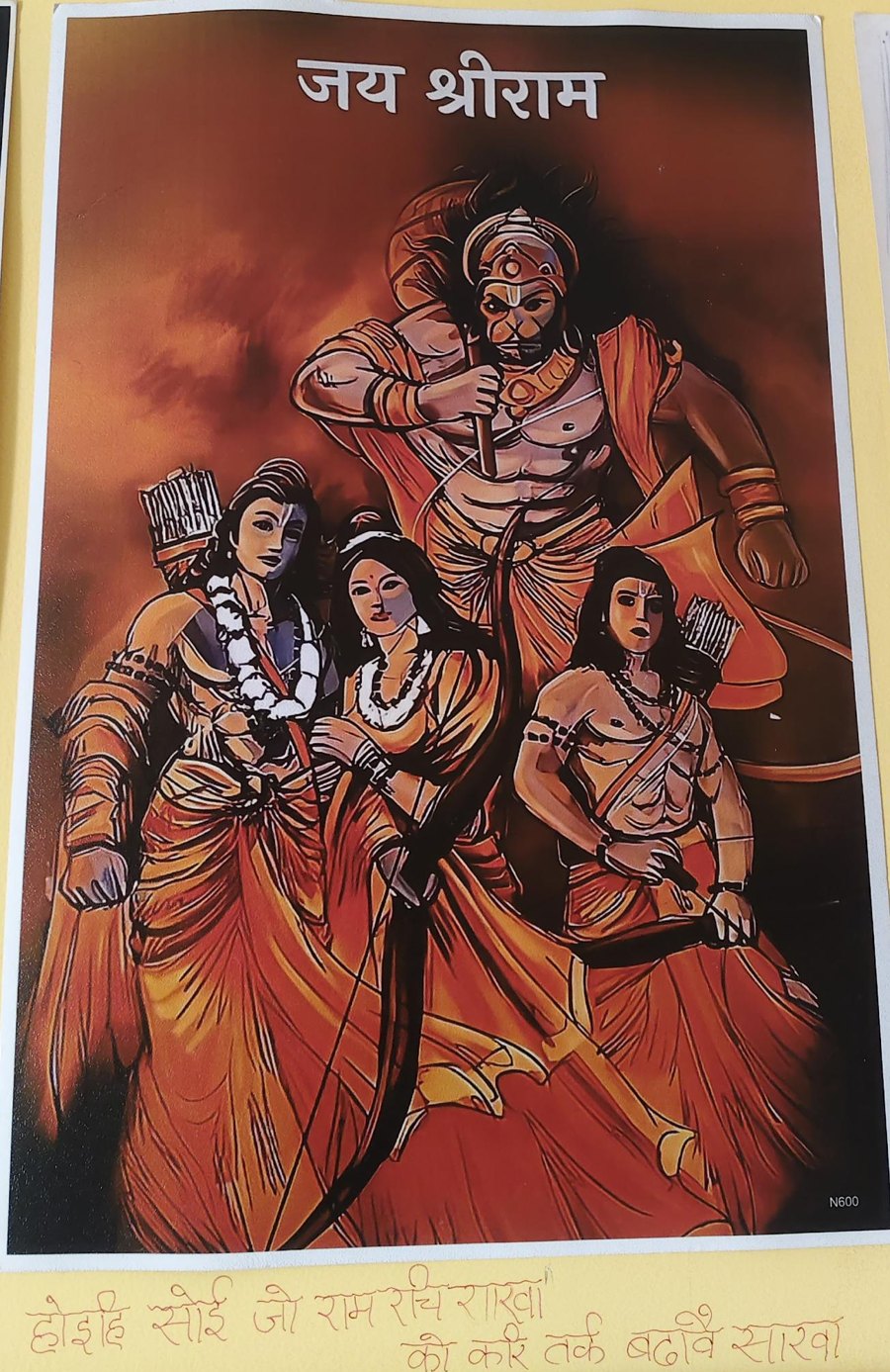
Ram.How to even start.
For us Indians, Ram is more than just a god's name. In a way, he is woven into our lives.
In many parts of India, we greet each other with "Ram Ram ji". Growing up, my father always used to say, "Ram ji sab theek karenge."
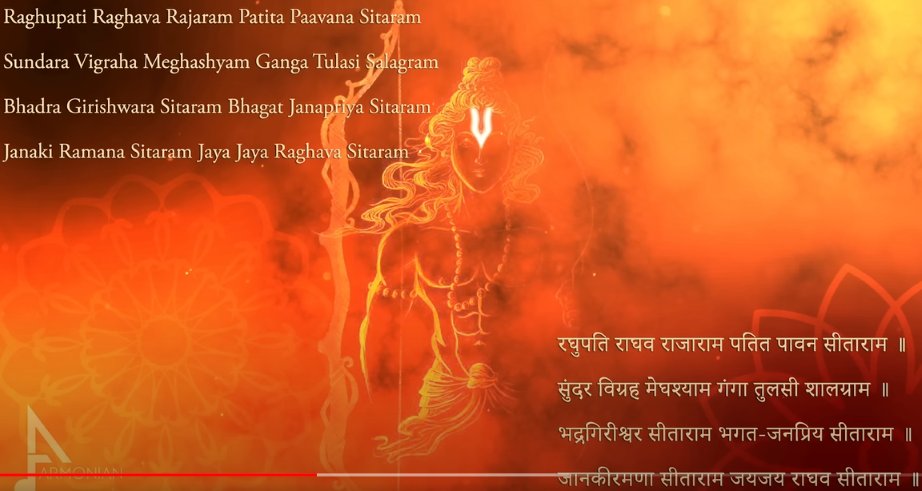
In the Manas, there is this chaupai, which unconsciously became the way I've lived my life.
होइहि सोइ जो राम रचि राखा।
को करि तर्क बढ़ावै साखा॥
Whatever Ram has willed is what will happen. Why argue, and grow more branches to it?
One of the things I find really beautiful about my Sanatan Dharma is that since we have so many gods and goddesses, everyone can choose their favourites.
Mine were always Ram and Krishna, both avatars of Lord Vishnu.
But Krishna was always my number one. How can you not love the god who lived as the coolest man ever?
Ram was the Maryada Purushottam, while Krishna was the Leela Purushottam. Ram followed rules and Krishna broke them. And obviously, I was drawn towards the rule breaker.
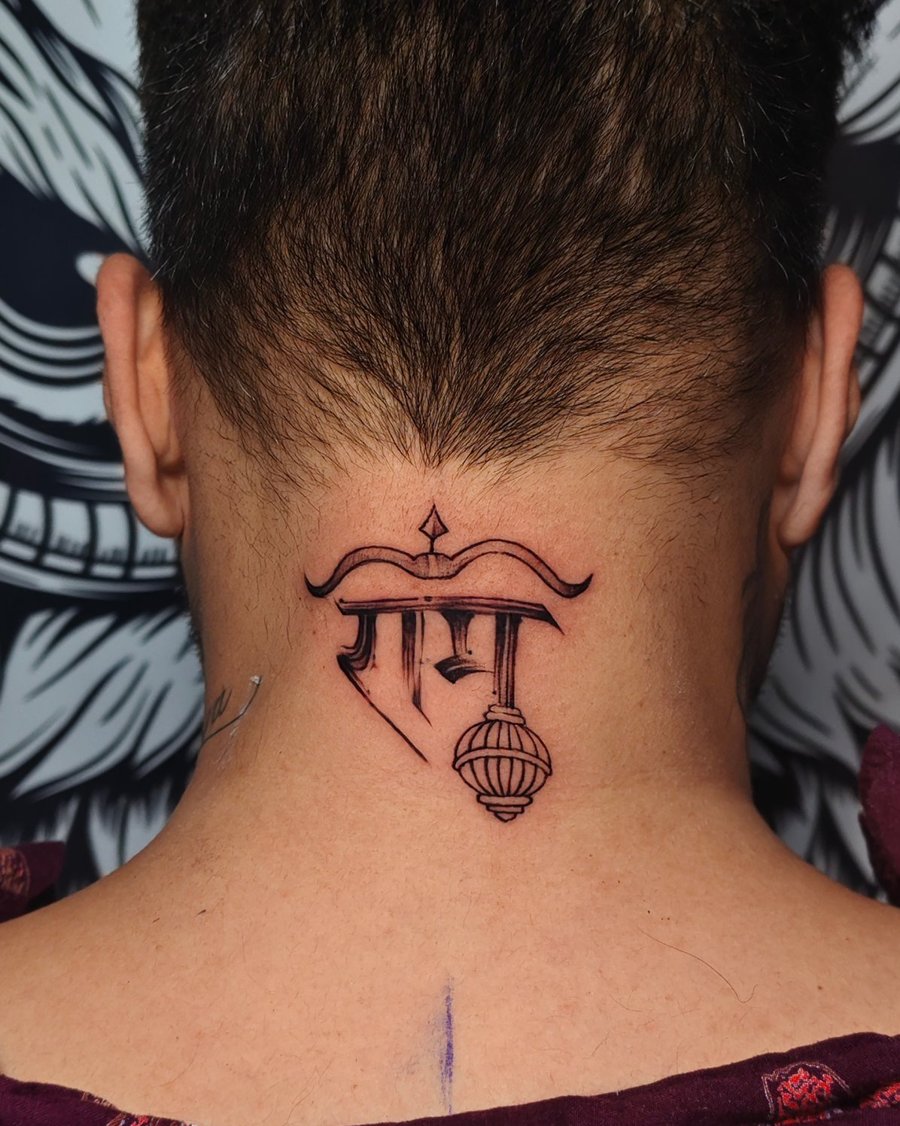
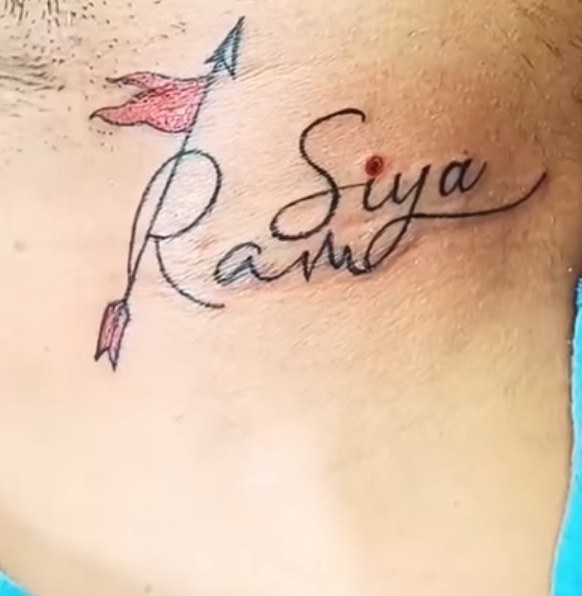
For the record: Krishna came first, in 2023. But look whose name is on my neck.
And there was something else. For a long time in my life, in some corner of my heart, I was angry at Ram.
Why did he ask for an agni pariksha from Sita Mata? And despite that, why did he abandon her, just because some stupid guy in his kingdom doubted her character, even though HE never did?
Finally, during my career break, I got my answers.
One day, a video of Ami Ganatra popped up in my YouTube feed. She explained Ram very beautifully and very deeply, and she encouraged all of us to read the Valmiki Ramayana. She explains the subtext in her book, Ramayana Unravelled.
Well, not only did I read those two, I read and watched whatever could help me understand Ram ji more deeply.
And understand I did.
And once I really understood them, I had tears in my eyes. For me, it's the GREATEST love story of the universe.
A love so deep, so pure, that you'd always put the other before you.
Sita was never asked to go to vanvas. In fact, Ram dissuaded her. But it was her choice.
When Sita Mata was kidnapped by Ravana, Ram said:
हे खग मृग हे मधुकर श्रेनी।
तुम्ह देखी सीता मृगनैनी॥
O birds, O deer, O swarms of bees: have you seen Sita, the doe-eyed?
Only a man madly in love will ask those questions to even non-humans.
Ram did not ask for the agni pariksha. He always knew that Sita was pure. But he was the Maryada Purushottam. For him, his duty as a king to his praja was equally important. He did not want anyone in the world to cast even an aspersion on Sita's character, not even in their mind.
And Sita Mata, she understood. She could not bear the thought of people even pointing a finger at her husband's judgement.
So she called on Agni.
Sita, to Agni · Valmiki Ramayana, Yuddha Kandamy heart has never moved away from Rāghava, then may the Fire, the witness of the worlds, protect me on every side.
I am of pure conduct and not as Rāghava suspects, then may the Fire protect me.
by act, mind, or speech I have never transgressed against Rāghava, who knows all dharma, then may the Fire protect me.
English rendering: Sanatana Dhara, “Sita’s Agni Pariksha”
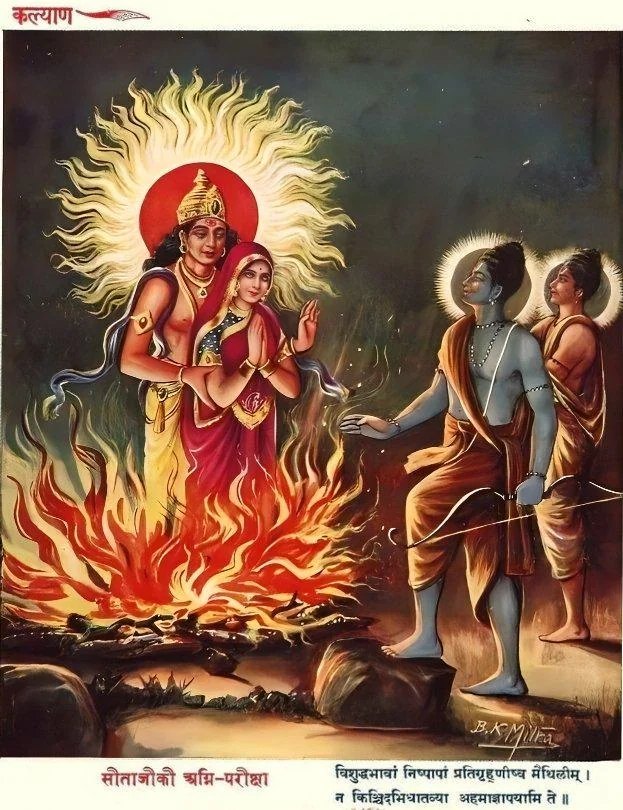
न किञ्चिदभिधातव्या अहमाज्ञापयामि ते॥ Agni, giving her back: “Take back Maithili, pure in heart and without sin. Say nothing against her. I command you.” “Sitaji ki Agni-Pariksha”, painting by B.K. Mitra. From Kalyan, Gita Press, Gorakhpur.
Both of them knew in their hearts. They did not prove anything to anyone. But both did it for each other.
Ram made himself the bad guy for the generations to come, to protect his wife's honour.
And Sita willingly gave the agni pariksha, to protect her husband's honour.
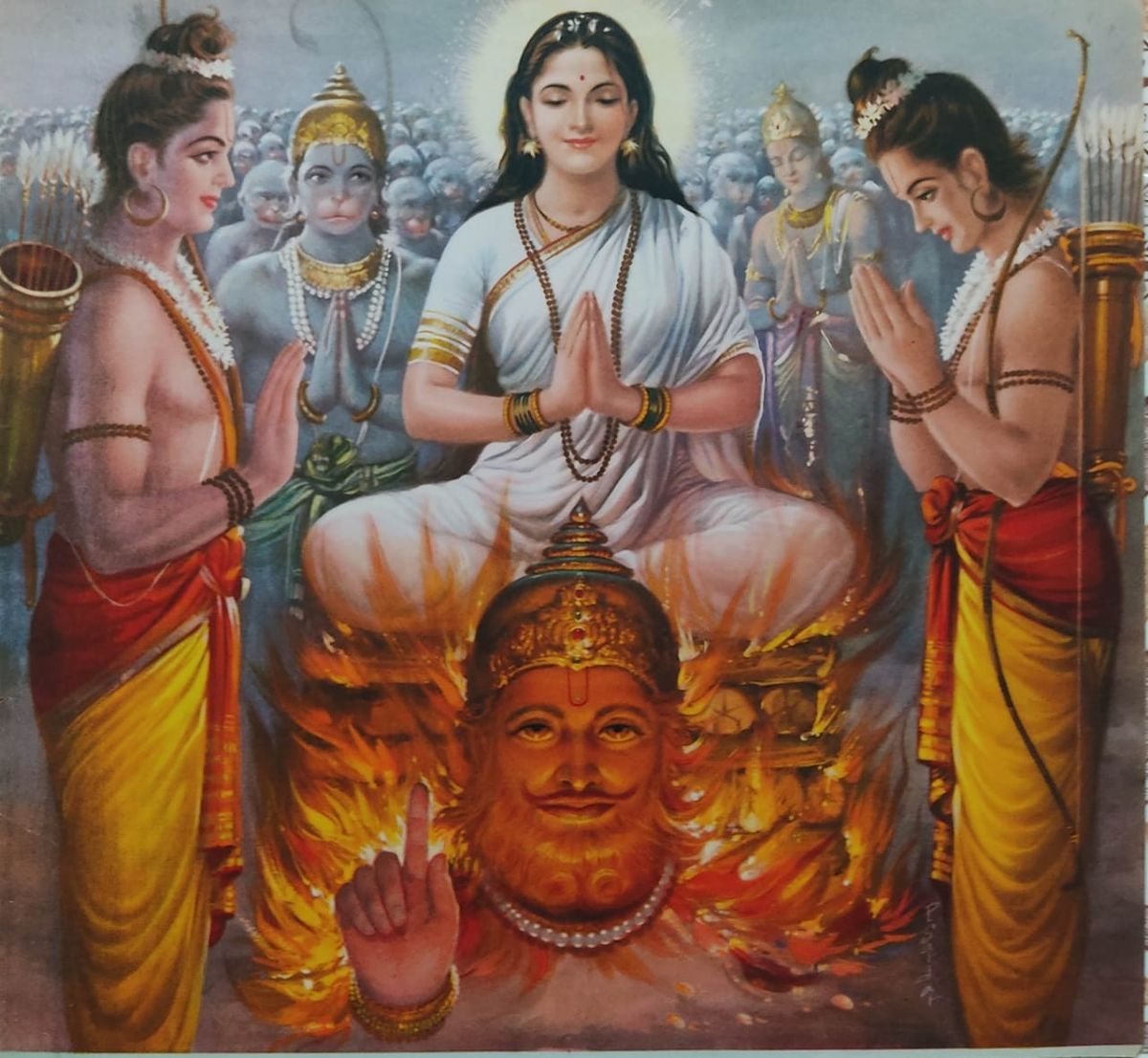
And my second question, why he sent her away? That story is in the Uttara Kand. Many scholars believe it was added to the Ramayana much later, and was never part of what Valmiki wrote.
Can there ever be a love greater than this?